
Fuel is still one of the biggest expenses in trucking. In 2026, diesel prices remain high enough that even small improvements in MPG put real money back in a driver’s or fleet’s pocket. The good news is that the biggest gains usually come from habits, not expensive new equipment.
Here’s what actually moves the needle according to research from the North American Council for Freight Efficiency (NACFE) and other industry data.
1. Slow Down — Speed Is Still the Biggest Factor
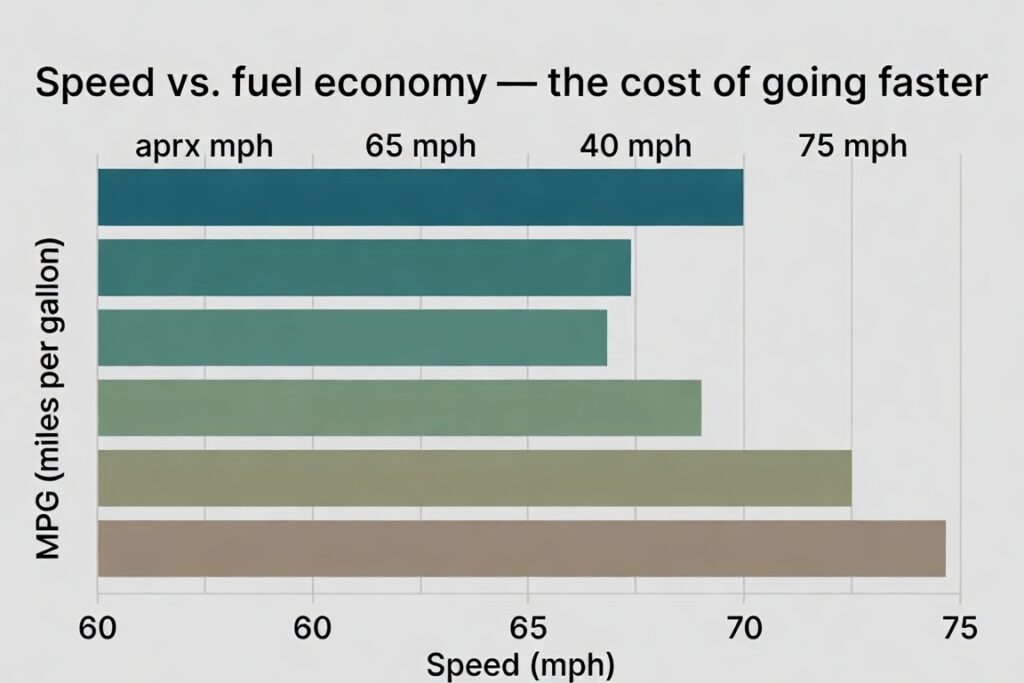
Aerodynamic drag rises sharply with speed. A widely cited rule of thumb from NACFE is that every 1 mph above 60 mph costs roughly 0.1 mpg. Running 75 mph instead of 65 mph can increase fuel use by about 27%.
Many experienced drivers now set cruise between 62–65 mph on flat highway when schedules allow. The time difference on a typical day is often smaller than people expect, while the fuel difference is measurable over weeks and months.
2. Cut Unnecessary Idling
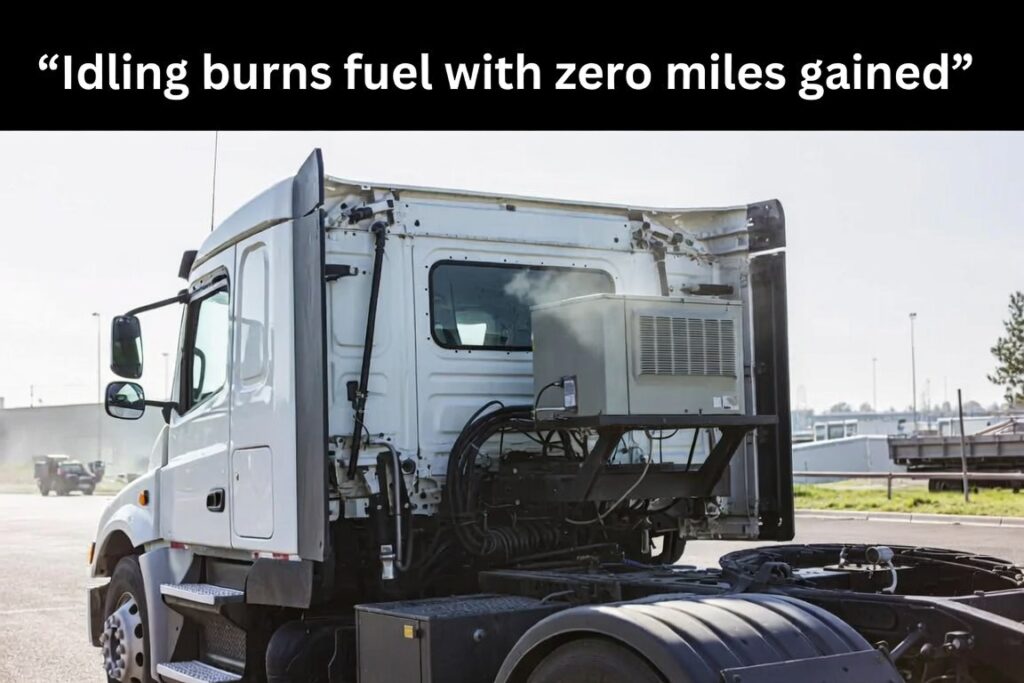
A Class 8 diesel typically burns around 0.8 gallons per hour at idle. NACFE notes that a typical long-haul truck can burn 1,000–1,800 gallons a year just sitting still, depending on climate and duty cycle. At current diesel prices that often equals $4,000–$6,000 in wasted fuel per truck annually.
Practical habits that help:
- Shut down when stopped for more than a few minutes (when safe and allowed).
- Use an APU, bunk heater, or shore power when available for overnight comfort.
- Avoid long warm-up idling in moderate weather.
A 10% reduction in annual idle time is roughly worth about 1% better overall fuel economy.
3. Keep Tires at Proper Pressure
Underinflated tires increase rolling resistance. NACFE and tire industry data show that running 10 psi low can raise fuel consumption by 0.5–1%. One in five Class 8 tractors has been found operating with significantly underinflated tires.
Check pressures when tires are cold — ideally before the day’s run. Don’t forget trailer tires. Consistent inflation is one of the cheapest and most reliable efficiency habits.
4. Drive Smoothly and Use Cruise Control
Hard acceleration and frequent speed changes burn extra fuel. Progressive, gradual acceleration and maintaining a steady speed help the engine stay in its efficient range.
Most modern diesels have a “sweet spot” (often roughly 1,200–1,450 rpm depending on the engine and load). Keeping the engine there while cruising improves efficiency. On flat highway, cruise control (or adaptive cruise) usually does a better job of holding a steady speed than a human foot.
Anticipate traffic and keep a longer following distance so you brake less. Every time you hit the brakes, you throw away energy you already paid for in fuel.
5. Small Supporting Habits That Add Up
- Avoid carrying unnecessary weight.
- Keep the truck clean of excess drag (loose tarps, open windows at highway speeds, etc.).
- Stay on top of basic maintenance — clogged filters and poorly running engines cost fuel.
- Plan fuel stops and routes to reduce unnecessary miles and congestion when possible.
What Kind of Results Are Realistic?
Top-performing fleets in NACFE studies often run around 7.8 mpg or better, while the broader industry average sits lower (near 6.9 mpg in some recent comparisons). The gap comes largely from consistent application of the habits above, not magic equipment.
For an individual driver, improving from 6.5 to 7.5 mpg on 100,000–120,000 annual miles can mean thousands of dollars saved per year, depending on diesel prices and exact miles.
Bottom Line
In 2026 the most effective fuel-saving moves are still the ones drivers control every day: speed, idle time, tire pressure, and smooth operation. These habits require no big investment — just consistency.
Start with one change (usually speed or idle reduction), track your fuel for a few weeks, and build from there. The trucks that get the best mileage are rarely the newest ones. They are the ones driven with discipline.

Leave a Reply